
The 7 Best Ways to Organize Your Commercial Kitchen for Long-Term Success

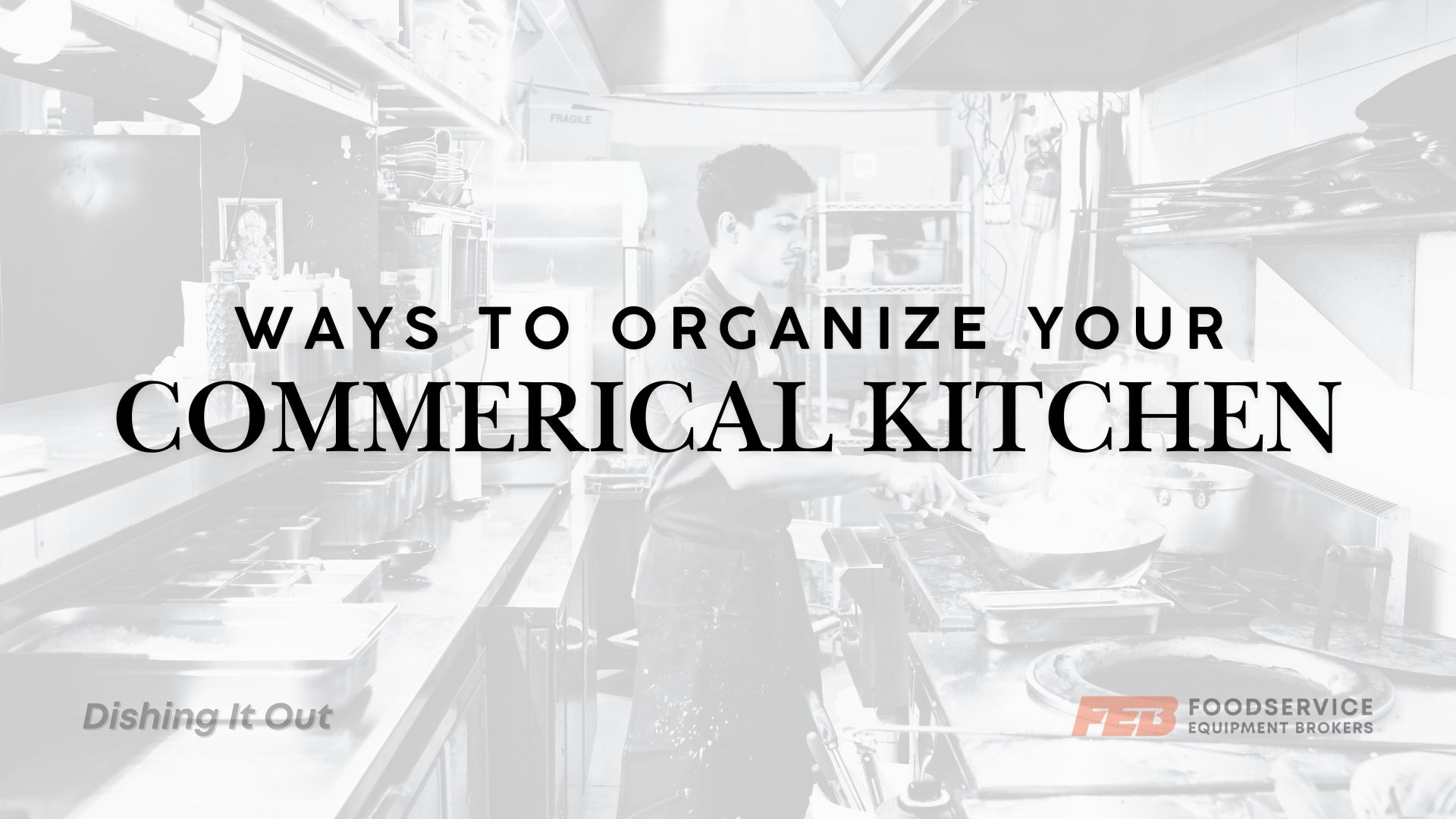
Organization Starts with Flow and Layout
An effective kitchen layout follows the natural progression of food, from receiving and storage through
prep, cooking, and dishwashing. When this flow is disrupted, staff waste time navigating around each other
and equipment.
Designing with flow in mind reduces congestion, improves communication, and supports smoother service.
Equipment placement, aisle spacing, and station layout all contribute to how efficiently a kitchen operates.
Storage, Labeling, and Accessibility
Clear storage systems are the foundation of organization. Ingredients, tools, and smallwares should have
designated locations that make sense for how the kitchen operates. Labeling shelves and containers
supports proper rotation and food safety while saving time during service.
Accessibility is just as important. Frequently used items should be easy to reach, while less-used items can
be stored higher or farther away. This reduces unnecessary movement and keeps workspaces clear.
Using Space Efficiently
Vertical space is often underutilized in commercial kitchens. Shelving, racks, and wall-mounted storage can
dramatically increase usable space without expanding the footprint. Keeping tools and ingredients within
reach helps staff work more efficiently and reduces clutter on prep surfaces.
Standardization and Consistency
Consistency is key in a busy kitchen. When stations are set up the same way every shift, staff can step in
confidently and training becomes easier. Standardized setups reduce mistakes and improve accountability.
Decluttering and Maintenance
Over time, kitchens accumulate unused tools, outdated equipment, and excess inventory. Regularly
evaluating what is actually needed helps maintain efficiency and safety. Decluttering improves visibility and
reduces stress during service.
Equipment That Supports Organization
Purpose-built equipment plays a major role in kitchen organization. Proper shelving, prep tables with builtin storage, and refrigeration designed for workflow help maintain order even during peak hours.
Bringing It All Together
An organized kitchen supports better food, faster service, and a stronger team. By focusing on flow,
storage, and consistency, operators can create a kitchen that performs under pressure and supports longterm success.
How We Can Help
Foodservice Equipment Brokers provides kitchen design services, equipment solutions, and expert
guidance to help operators build efficient, organized kitchens. Whether you are opening a new space or
improving an existing one, our team is here to help your kitchen succeed.
About the Author